As the world evolves, Land Development Projects (LDPs) play a pivotal role in shaping our urban landscapes. With the rapid growth in population and urbanization, these projects are paramount to sustainable city planning and development. From residential complexes to commercial buildings, LDPs are the backbone of modern infrastructure, transforming barren lands into thriving communities.
Today, sustainable and green initiatives are at the forefront of land development projects. As ecological balance becomes more urgent, eco-friendly practices are adopted to build sustainable infrastructures.
From incorporating green spaces to utilizing renewable energy, developers are placing great emphasis on reducing the environmental impact of their projects.
The concept of Green Buildings, often characterized by solar panels, rainwater harvesting systems, and energy-efficient appliances, are a testament to this paradigm shift.
An essential aspect of LDPs today is the integration of technology.
Emerging technologies such as geospatial technology, building information modeling (BIM), and 3D printing are revolutionizing the landscape of land development. These technologies enable developers to plan, design, and visualize projects more accurately, minimizing errors and maximizing efficiency.
As these technologies become more prevalent, they will undoubtedly shape the future of land development.
Another trend that’s making waves in the land development sector is mixed-use development.
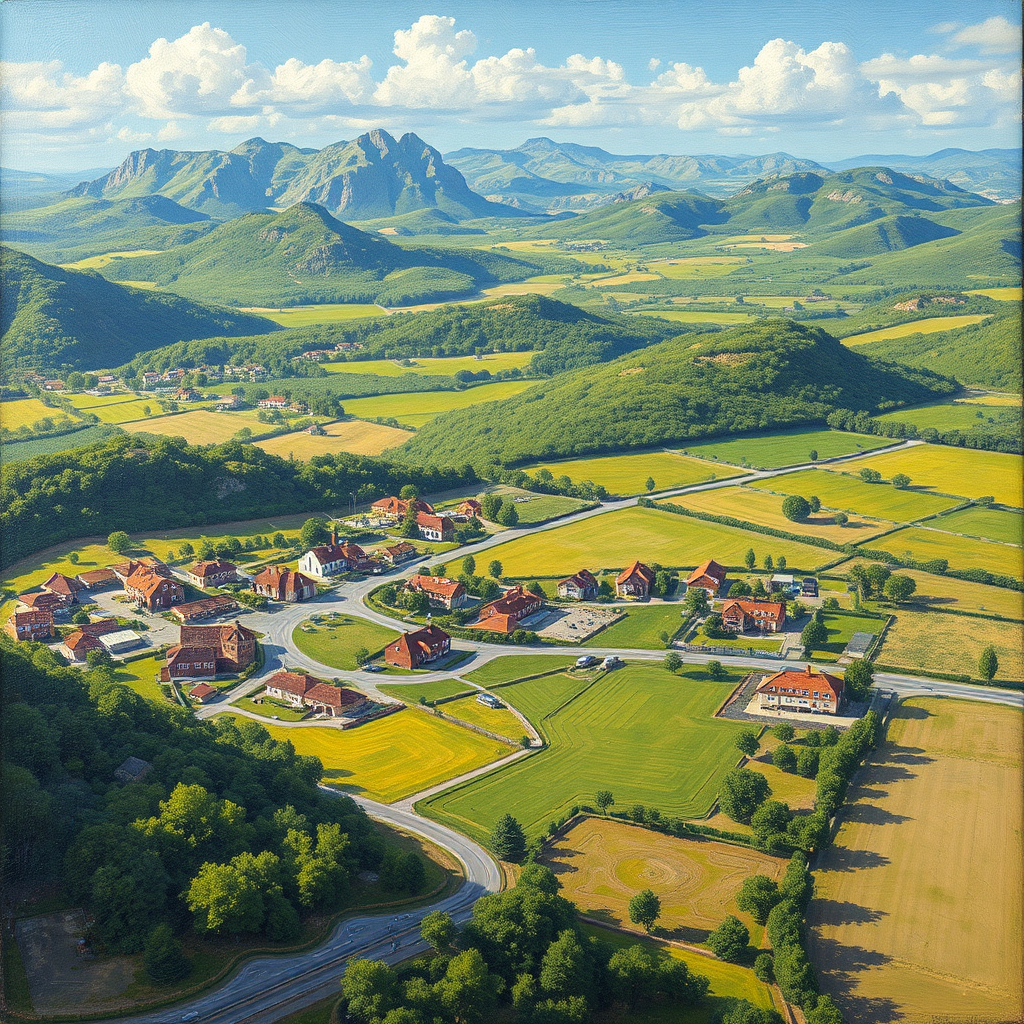
These projects blend residential, commercial, cultural, institutional, or entertainment uses into one space, providing a ‘live, work, play’ environment. In an age where convenience is king, mixed-use developments cater to the modern urban dweller’s desire for accessible amenities and services. This trend is quickly becoming the gold standard, adding vibrancy to urban landscapes and enhancing the quality of life for city inhabitants.
Land development projects also play an integral part in the economy.
They create jobs, boost local businesses, and stimulate economic growth. From the initial planning stages to the final construction, LDPs require an array of professionals, from architects and engineers to construction workers and sales personnel. Each new development brings with it a surge of economic activity, spurring growth and prosperity in the area.
However, along with these advantages, come challenges. Land developers face issues such as regulatory hurdles, zoning restrictions, and financing problems. Furthermore, the need to balance development with environmental conservation adds another layer of complexity. But with proper planning, collaboration, and adherence to sustainable practices, these obstacles can be overcome.
Recently, there has been a significant emphasis on community involvement in land development projects. Developers are realizing the importance of including the local community in the planning process.
This approach not only fosters a sense of ownership among residents but also ensures that the projects are tailored to meet the community’s needs.
The adoption of this participatory approach reflects the shift towards more inclusive and community-centric planning.
Land development projects are much more than just building structures; they are about creating spaces that cater to the diverse needs of the community while respecting the environment.
As we move forward, the focus will continue to be on sustainable, inclusive, and technologically advanced projects that reflect the changing needs and aspirations of society. Indeed, the horizon of land development is expanding, promising a future of vibrant, sustainable, and inclusive urban landscapes.