Land development is the process of converting raw land into construction-ready sites.
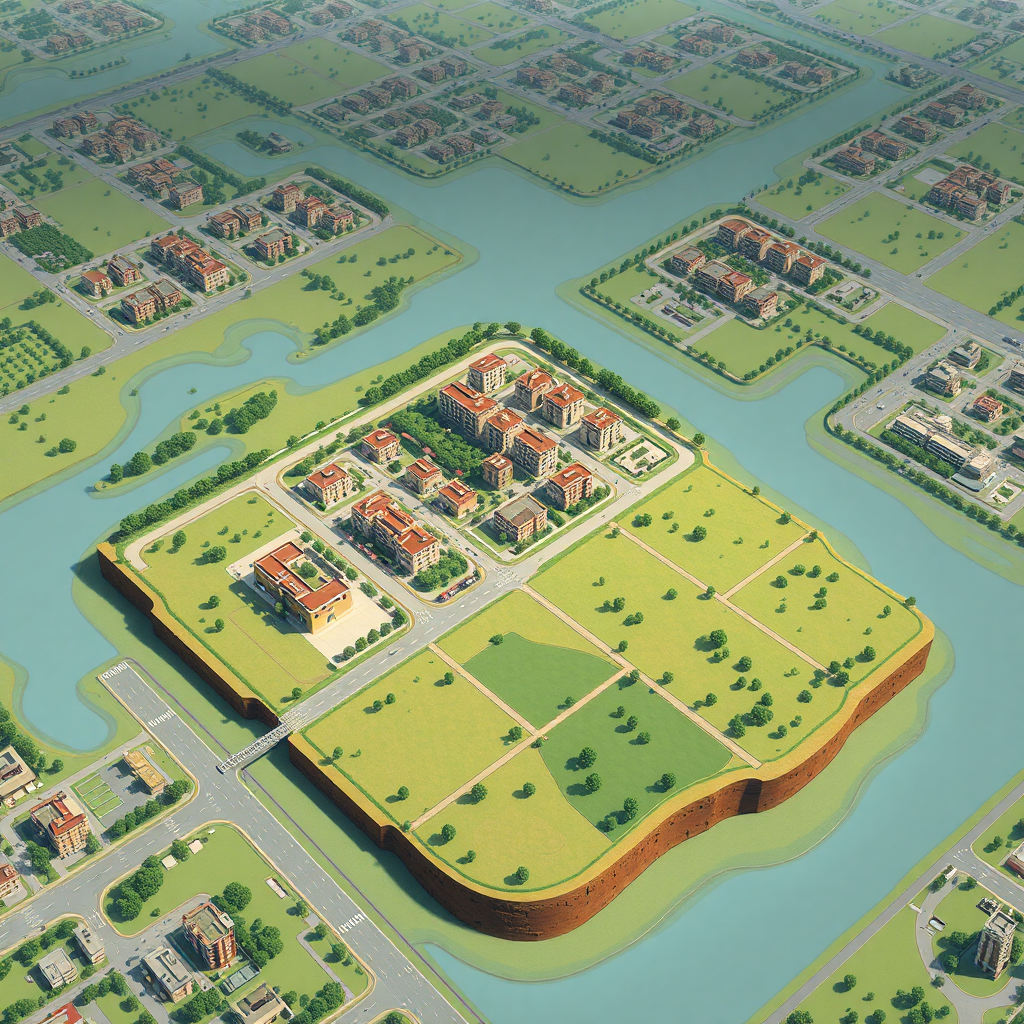
This process can involve several stages, from acquiring land and obtaining necessary permits to installing infrastructure like roads and utilities.
Given the complex nature of this process, it’s essential to dissect the key elements that contribute to successful land development projects.
Site Selection and Evaluation
The first step in a land development project is choosing a suitable location.
This stage involves thorough research on various factors, including accessibility, socio-economic demographics, environmental concerns, and the potential for future growth.
A comprehensive site evaluation also includes understanding local zoning laws, and building restrictions, as well as potential issues such as soil type, flood risk, and other environmental factors.
Planning and Design
Once a suitable site has been identified, the planning and design phase begins. This step involves conceptualizing the layout and design of the project, including the location of buildings, parking lots, roadways, and utilities.
The planning stage also involves creating detailed site plans and architectural blueprints. Developers often work closely with architects, engineers, and urban planners in this phase to ensure the proposed development meets all local zoning and building codes, as well as addresses potential environmental impacts.
Obtaining Permits and Approvals
Before construction can begin, developers must secure all necessary permits and approvals. This can be a complex process, involving multiple local and state agencies and could include environmental reviews, zoning approvals, building permits, and more.
Navigating through these regulatory requirements requires a thorough understanding of the local laws and regulations, as well as a strategic approach to the application process.
Infrastructure Development
After obtaining all necessary permits, the actual work of building infrastructure begins. This can involve grading the land, installing utilities such as water, electricity, and sewage facilities, and constructing roadways. Ensuring high-quality infrastructure is crucial, as this forms the backbone of the entire development and lays the groundwork for future construction.
Construction and Marketing
The final phase of a land development project is the construction of the planned buildings and facilities, followed by marketing and sales. During construction, project managers must ensure that all work adheres to the planned design, complies with building codes, and maintains the highest quality standards.
Once construction is complete, strategic marketing campaigns are crucial to attract potential buyers or tenants, ultimately ensuring the project’s financial success.
Land development projects are a vital part of our growing economies and communities. These complex ventures require a deep understanding of many different aspects, from site selection and planning to permitting, construction, and marketing.
By understanding these dynamics, developers can ensure their projects contribute to sustainable urban growth, meet community needs, and deliver substantial returns on investment.