Sustainable living concepts are currently at the forefront of residential development. With increased awareness about environmental conservation and energy efficiency, residential developers are integrating sustainable practices into their projects. This shift is not just about being environmentally conscious but also offering savings on utility bills, enhancing property value, and promoting healthier living conditions.
Understanding the Concept of Sustainable Residential Development
Sustainable residential development refers to the integration of environment-friendly practices into residential design and engineering processes. Key aspects of this approach include energy-efficient appliances, renewable energy resources, water conservation, waste reduction, and use of sustainable materials.
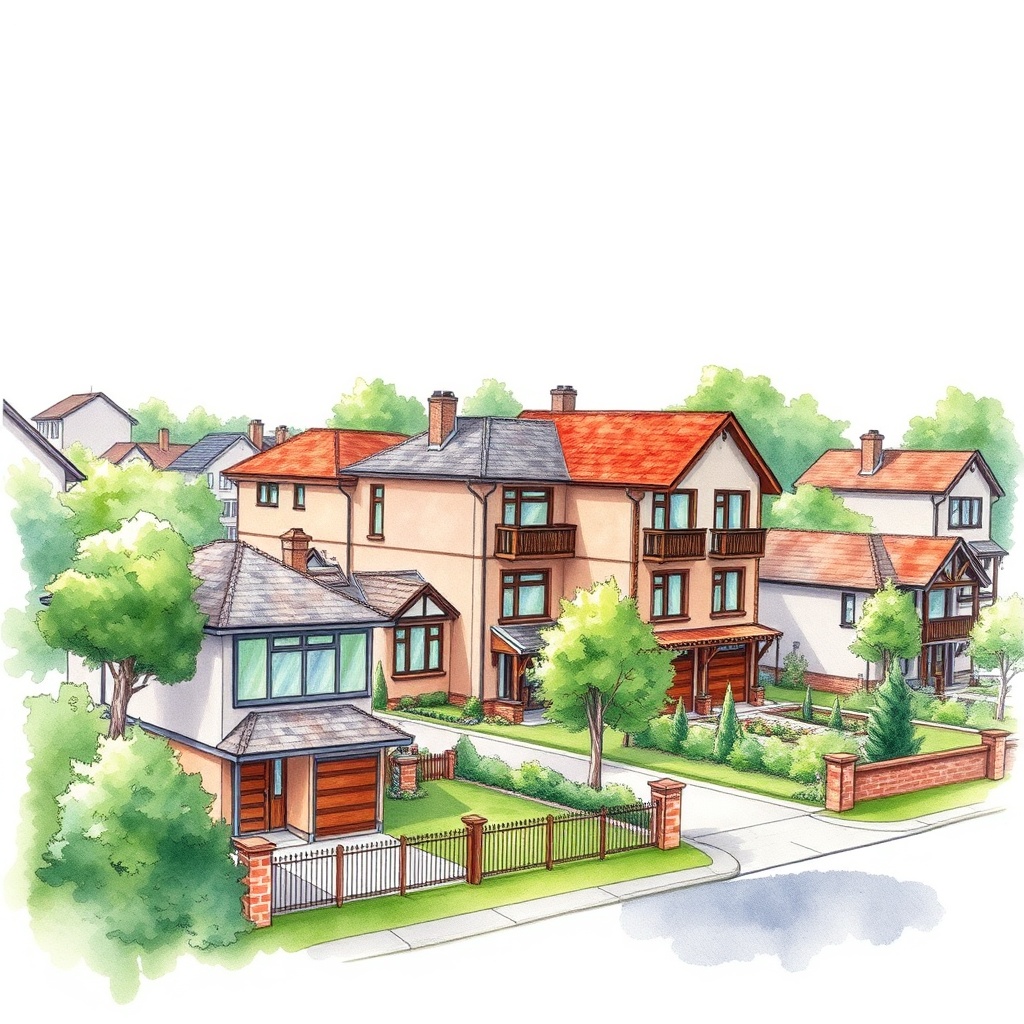
These new-age homes are designed to minimize environmental impact and promote sustainability, while also providing a comfortable and healthy living environment.
The Green Building Movement: Creating Environmentally Friendly Homes
The green building movement has played a significant role in the rise of sustainable residential development. Green homes focus on reducing the overall impact on human health and the natural environment. Techniques employed in green building include better site utilization, improved indoor air quality, energy efficiency, water conservation, and use of renewable or recycled materials.
One such approach is the design and construction of carbon-neutral homes. These residential properties generate as much renewable energy as they consume annually, reducing their carbon footprint.
Another popular trend is the incorporation of smart home technology. These intelligent systems can control aspects like lighting, heating, and security, optimizing energy use and improving the overall efficiency and comfort of the home.
Reducing Water Consumption
Water conservation is also a key factor in sustainable residential development.
Rainwater harvesting and greywater recycling systems are becoming more commonly installed in homes. These systems reduce dependence on municipal water supply, lower water bills, and help in maintaining landscape areas.
Local Building Materials for Reduced Environmental Impact
In addition to energy and water conservation, sustainable homes also focus on using locally sourced, sustainable building materials. The use of local materials reduces transportation emissions and supports local businesses. Such materials also tend to blend seamlessly with the local environment, enhancing the aesthetic appeal of the property.
The Impact on Homebuyers and Developers
Homebuyers today are more conscious about the environment, and many are willing to pay a premium for sustainable features. They recognize the long-term benefits of lower utility bills, improved air quality, and reduced environmental impact.
For developers, sustainable residential development can be a significant selling point. While the initial investment may be higher, the long-term benefits, including increased property value and marketability, often outweigh the costs.
Final Thoughts
Sustainable residential development is more than a trend.
It’s a shift in how we think about our homes and their impact on the environment. With the growing acceptance and adoption of these practices, the future of residential development is looking greener and more sustainable.
Remember, every small step towards sustainability counts.
Whether it’s installing solar panels, using energy-efficient appliances, or choosing sustainable materials, every effort helps create a healthier and more sustainable planet.
And in the process, you’ll likely save money, increase the value of your property, and improve your overall quality of life.