Land development projects are a cornerstone of urban growth and expansion. They breathe new life into neglected areas, transform vacant lots into bustling hubs of activity, and contribute significantly to local economies. Understanding the intricate process of land development can shed light on the pivotal role it plays in shaping our communities.
Land development involves transforming raw land into construction-ready sites for commercial, residential, or public use. It is an intricate process that requires careful planning, strategic execution, and a deep understanding of zoning laws, environmental regulations, and real estate trends.
The Journey of Land Development
The land development process begins with site identification and acquisition. This step often involves feasibility studies to assess the land’s suitability for development, considering factors like location, access to utilities, and environmental impact.
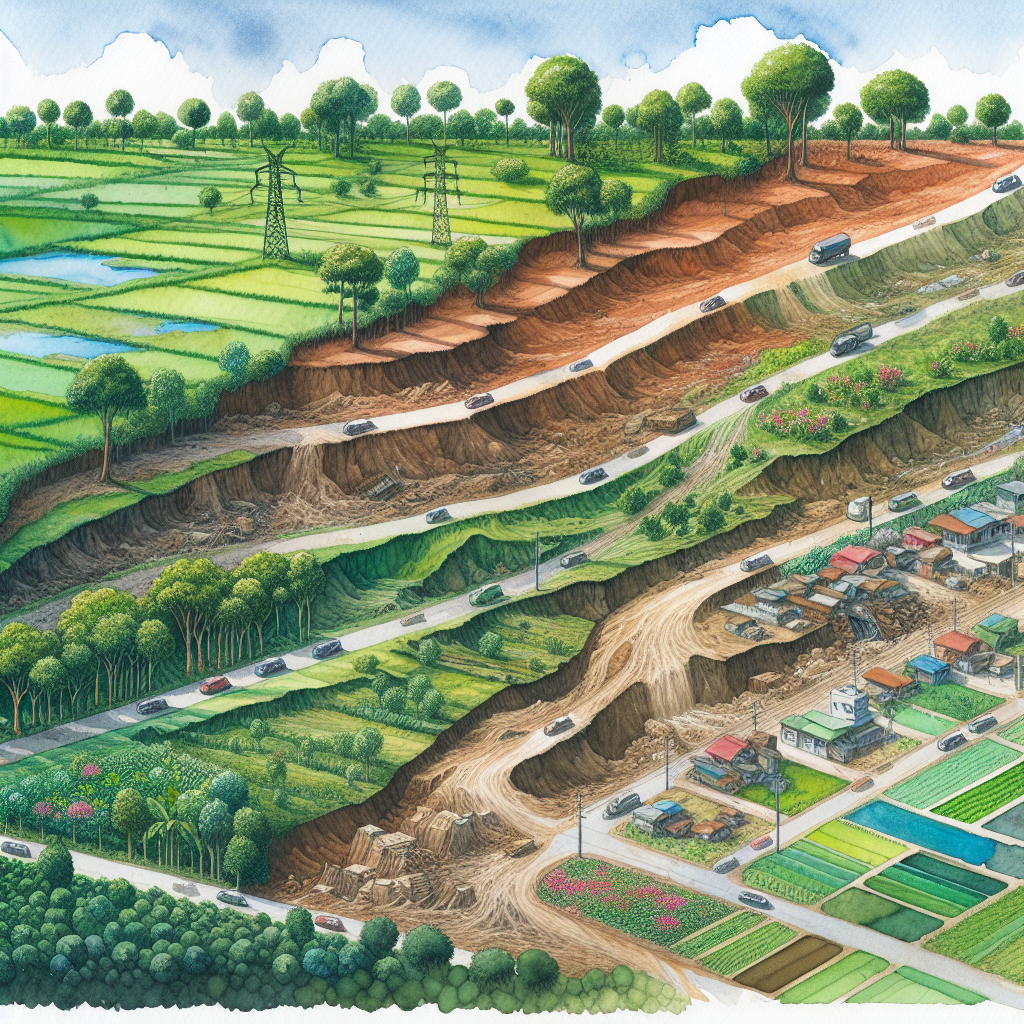
Once the site has been procured, the next step is planning. Developers, architects, urban planners, and civil engineers collaborate to design a project that aligns with the local community’s vision and needs. This phase often includes crafting a site plan detailing the project’s layout, including building placements, roadways, parking, and green spaces, among other details.
Next comes the approval process. Developers must seek approval from local planning authorities to ensure the project adheres to zoning laws and building codes. Public hearings may be held to allow community members to voice their opinions about the project.
This step is crucial in maintaining a healthy, democratic relationship between developers and the communities they serve.
Subsequently, the construction phase kicks off.
It often begins with site preparation, including clearing, grading, and the installation of utilities. Builders then construct the buildings following the approved architectural plans. Adequate project management is vital during this phase to ensure timelines, budgets, and quality standards are met.
Upon completion, the final stage is the sale or leasing of the developed property to prospective buyers or tenants.
The Impact of Sustainable Development
With increasing awareness of environmental issues, sustainable development practices have become integral to the land development process.
Developers are adopting green building standards, like LEED certification, to diminish environmental impact. Techniques such as using renewable energy sources, incorporating rainwater harvesting systems, and planning for green spaces are becoming more prevalent.
Sustainable land development not only benefits the environment but also enhances the project’s market appeal. More and more, buyers are prioritizing eco-friendliness in their purchasing decisions, deeming sustainable projects as more desirable.
The Future of Land Development
Looking ahead, the land development sector will continue to evolve in response to societal and environmental changes. As urban populations grow, so will the demand for innovative, sustainable land development projects. Technologies like virtual reality are already revolutionizing the planning stages, allowing stakeholders to explore virtual representations of proposed developments.
Meanwhile, changing work patterns are influencing the types of spaces needed, with a heightened demand for flexible workspaces and home offices.
Land development is an ongoing journey, responding to the ebbs and flows of societal needs and environmental considerations.
It’s a fascinating field, continually reshaping our communities, and contributing to the very fabric of our urban landscapes. Today’s innovative practices promise an exciting future for land development, steering us towards more sustainable, user-friendly urban spaces.