In the evolving landscape of urban planning and construction, residential development, which includes single-family homes, multi-family apartments, and condominiums, continues to redefine the face of neighborhoods. With a keen focus on sustainable development and the incorporation of smart technology, residential development is shaping the future of urban living in exciting ways.
Embracing Sustainability in Residential Development
An increasing demand for eco-friendly living has recently pushed developers to integrate sustainable practices into residential development.
Buildings today have adopted green architecture and design principles, focusing on energy efficiency, water conservation, and the use of renewable materials.
For instance, energy-efficient construction methods include insulation, solar panels, and high-performance windows to reduce the consumption of resources. Rainwater harvesting systems and gray water recycling have become more common in efforts to conserve water, and developers are using locally sourced, sustainable materials to reduce the environmental impact of construction.
In essence, the drive towards sustainability in residential development is not only transforming the architectural aesthetics of our neighborhoods but also promoting a healthier, more responsible way of life.
The Rise of Smart Homes in Residential Development
Innovation in residential development also extends to the integration of smart technology into homes.
Smart homes, equipped with interconnected devices and systems, are quickly becoming a mainstay in residential development. From remotely controlled heating and lighting systems to advanced security features, smart homes are designed to offer convenience, efficiency, and enhanced safety to residents.
Moreover, smart homes have the potential to reduce energy consumption significantly.
For example, through intelligent lighting systems that adapt to the residents’ schedules or automated thermostats that optimize heating and cooling, homeowners can cut down on unnecessary energy use.
Community-Centric Residential Development
Residential development today also pays close attention to creating and enhancing community connections within neighborhoods. Developers are consciously planning shared spaces like parks, community centers, and walking trails within residential projects. The goal is to foster a sense of community among residents, promoting social interactions and healthy community living.
These shared spaces also provide opportunities for incorporating urban farming and local food production, further enhancing sustainability and promoting a connection with nature within urban environments.
Looking Ahead
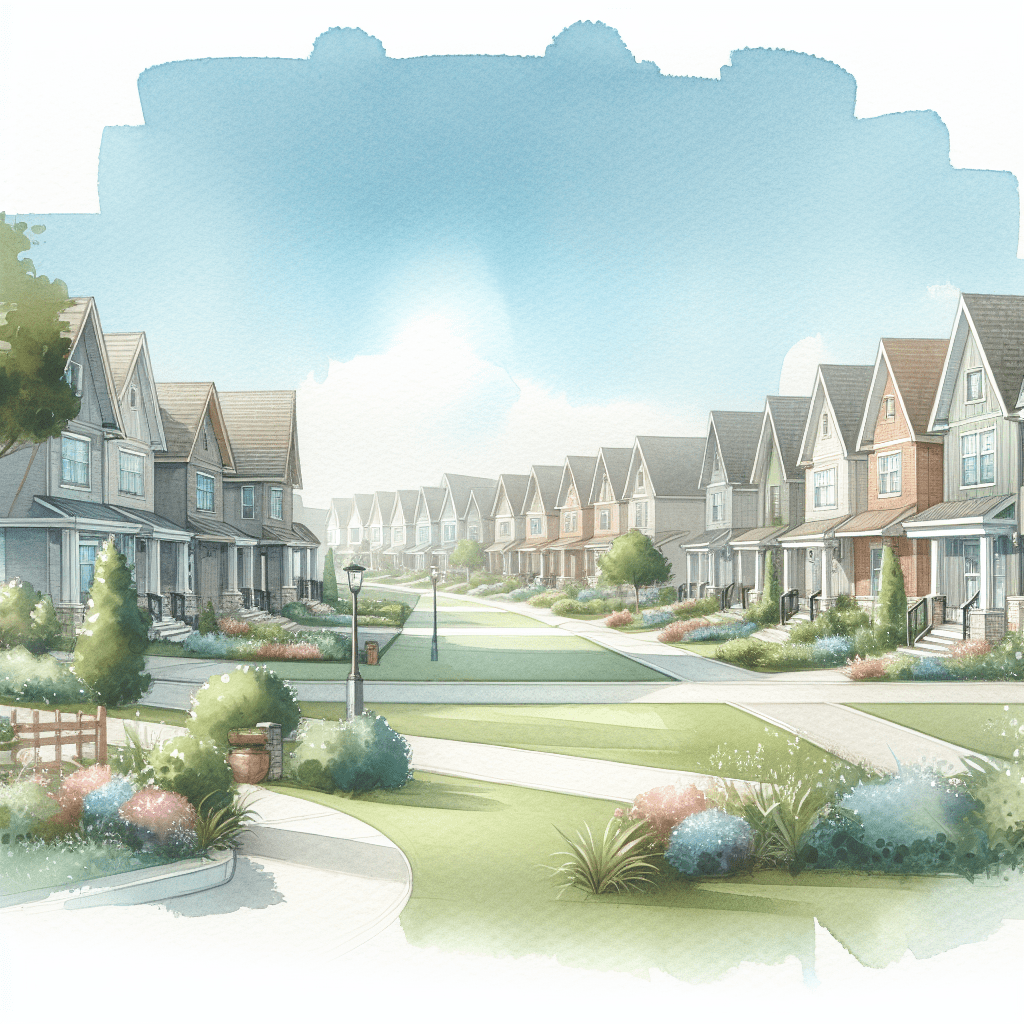
The future of residential development lies in its ability to continuously adapt and innovate. With a focus on sustainability, smart technology integration, and community-centric designs, residential development is set to transform our neighborhoods into dynamic, eco-friendly, and socially inclusive spaces.
The art of residential development is a carefully balanced blend of aesthetics, functionality, and environmental stewardship. And as the world continues to evolve, so will the face of our neighborhoods, reflecting the responsible, connected, and sustainable ethos that we strive for in our lives today. This evolution is not just about building homes, but about creating harmonious, healthy, and vibrant communities that will stand the test of time.