Urbanization is rapidly becoming a global theme, and as city limits expand to accommodate increasing populations, there’s a growing emphasis on land development projects. Currently, these projects are being shaped by a host of factors, including environmental sustainability, economic considerations, and technological advancements.
At the heart of modern land development projects is the concept of sustainability. Recently, a shift has been noted from traditional, resource-intensive development methods towards more eco-conscious practices.
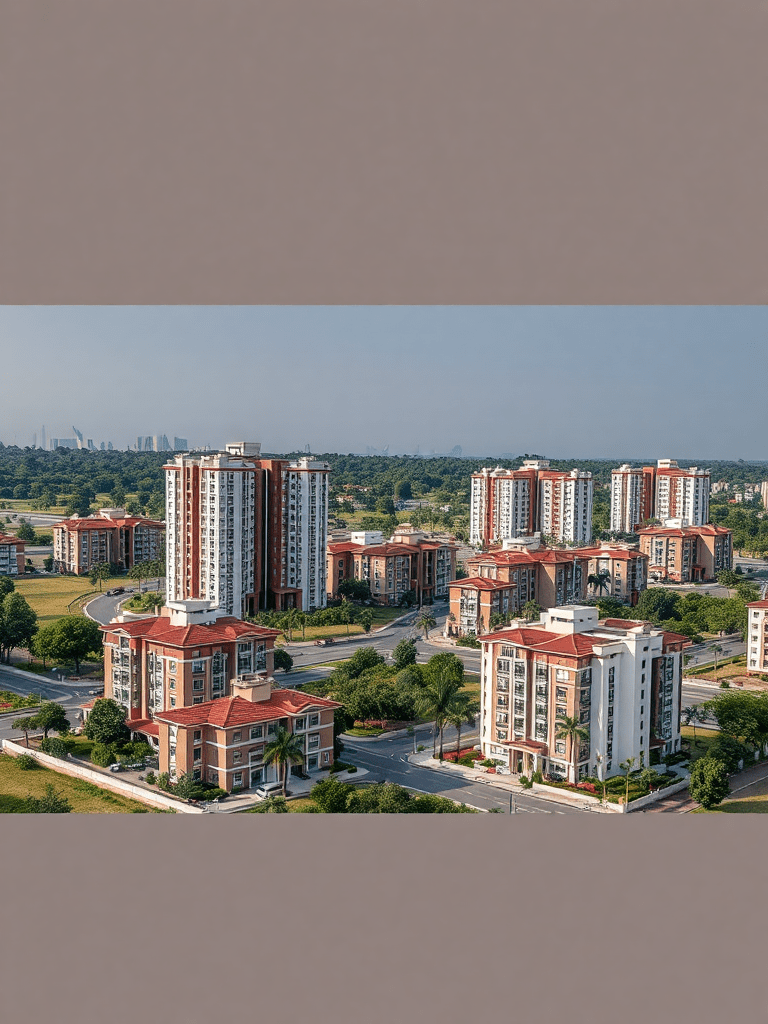
Today’s developers are not just focusing on economic viability but also incorporating sustainable features, such as renewable energy sources, green spaces, and water conservation systems.
One of the exciting trends in land development is the creation of mixed-use spaces. These projects combine residential, commercial, and sometimes even industrial spaces in a single development.
The idea behind these projects is to create self-contained communities where people can live, work, and play without needing to travel long distances. This approach not only reduces traffic congestion and lowers carbon emissions but also fosters a sense of community and inclusivity.
Technology also plays a pivotal role in shaping contemporary land development projects. Geospatial technology, for instance, is being widely used in site selection and planning.
It aids in analyzing various geographical and environmental factors to ensure that the development is in harmony with its surroundings. Additionally, Building Information Modeling (BIM) is used to create detailed 3D models of the proposed structures, allowing for more efficient design and construction processes.
Another driving factor in today’s land development projects is the focus on creating inclusive and accessible spaces.
Developers are prioritizing designs that cater to all, regardless of age or ability. This can be seen in the rise of developments that include features such as wheelchair-accessible structures, tactile paving for visually impaired individuals, and dementia-friendly design elements.
The importance of community engagement in land development projects has also become increasingly apparent.
Public consultations and community meetings are now standard practice in many development processes. By involving local communities from the outset, developers can ensure that their projects not only meet the needs of future occupants but also positively contribute to the wider community.
Furthermore, today’s developers are focusing more on adaptive reuse – the process of repurposing old buildings for new uses, instead of demolishing them. This practice not only preserves architectural heritage but also minimizes construction waste, making it a sustainable option for development.
The changing face of land development is a testament to how far we’ve come in creating better, more sustainable spaces for future generations. It’s a dynamic field, constantly adapting to social, environmental, and technological changes.
As we move forward, the focus will undoubtedly remain on creating developments that are sustainable, inclusive, and beneficial for all. Each new project is an opportunity to learn, innovate, and improve upon the last, building a future that is not just about growth, but about thoughtful, responsible growth.