Land development projects have emerged as a pivotal solution in the current urbanization and globalization era. These projects play a significant role in changing the face of cities, accommodating expanding populations, and promoting economic growth. From residential complexes to commercial skyscrapers, land development projects are molding the cities of today and influencing the future of urban planning.
Strategic Planning and Design
The first step towards a successful land development project is strategic planning and design. Today, developers prioritize not just aesthetics but also functionality, sustainability, and adaptability. The goal is to create spaces that meet the needs of the population while minimizing environmental impact.
Green buildings, eco-parks, and sustainable city designs are currently trending in land development.
Economic Impact
Undeniably, land development projects are significant economic drivers. They contribute to job creation, attract investments, and stimulate local economies. Besides, they can also increase the value of surrounding properties. For example, the presence of commercial centers or recreational parks can make a neighborhood more appealing, thus increasing property values in the area.
Technological Innovations
Technology is fundamentally transforming the land development sector.
Advanced tools allow developers to visualize their projects in 3D, simulate different scenarios, and make data-driven decisions. Moreover, smart city technologies are being integrated into new developments, offering connectivity, convenience, and efficiency to residents.
These features range from smart homes to integrated transportation systems and energy-efficient infrastructures.
Sustainability and Environment
The importance of sustainable practices in land development can’t be overstated. Currently, developers are using green technologies and renewable materials to decrease the ecological footprint of their projects.
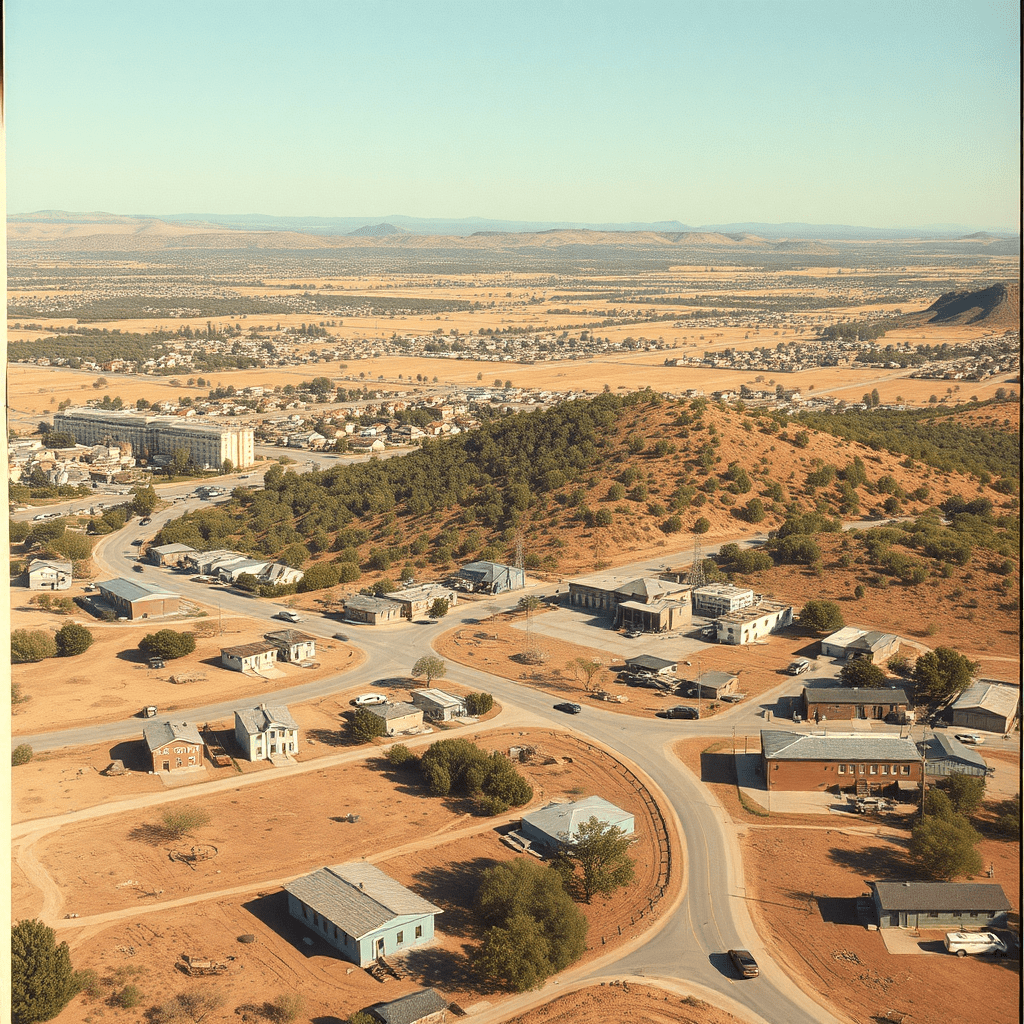
They are also focusing on creating energy-efficient buildings and implementing water and waste management systems. Moreover, concepts like urban farming and green roofs are gaining popularity, enhancing the quality of urban life while reducing harm to the environment.
Public Engagement
Public engagement is a crucial aspect of land development projects. It ensures the projects meet the needs and aspirations of the local community. Therefore, developers are increasingly engaging with the public during the planning and design stages. This engagement takes the form of public meetings, online surveys, and interactive workshops.
Regulatory Compliance
Land development projects must comply with a host of regulatory requirements.
These regulations touch on zoning laws, environmental impact assessments, building codes, and more. Compliance ensures that the projects are safe, environmentally friendly, and in line with the city’s overall development plan.
Land development projects are a complex interplay of strategic planning, economic considerations, technological innovations, sustainability, public engagement, and regulatory compliance. They represent the bridge between the present and the future, shaping the way we live, work, and play. Today, the focus of these projects is not just on building structures but on creating sustainable, inclusive, and livable urban environments. This shift marks a promising era in the field of land development, urban planning, and sustainability.