Development financing represents an integral component of the global financial landscape. This evolving sector has the power to promote sustainable economic growth and reduce poverty.
Through strategic investment in health, education, infrastructure, and other vital sectors, development financing aims to address societal challenges and foster an environment conducive to progress.
Understanding Development Financing
At its core, development financing seeks to allocate financial resources to developing regions, aiming to stimulate economic growth and improve quality of life.
The goal is to finance projects that promote sustainable development and social welfare, ranging from infrastructure projects to initiatives supporting education and healthcare.
These funds typically stem from various sources, including public sectors, private sectors, and international development institutions.
The Role of Public and Private Sectors
Public sectors play a crucial role in development financing. Governments can invest in essential services such as education, healthcare, and infrastructure, which are the backbone of a healthy and productive society.
Besides, public sectors have the power to enact policies that encourage private investment, thereby bolstering the overall financial resources available for development.
On the other hand, the private sector’s role in development financing has been growing. Private entities bring in fresh perspectives, innovative solutions, and a unique understanding of market dynamics, leading to efficient and sustainable project outcomes. Moreover, Public-Private Partnerships (PPPs) have increasingly been leveraged to attract private investment in public projects, thereby augmenting the funding pool for development.
The Influence of International Development Institutions
International Development Institutions like the World Bank, International Monetary Fund (IMF), and regional development banks inject significant funds into development financing. These institutions provide financial and technical assistance to developing countries, aiming to foster economic stability and sustainable growth. They also facilitate knowledge sharing and capacity building, ensuring that recipient countries can effectively manage and maximize the benefits of received funding.
The Future of Development Financing
Today, the landscape of development financing is continually evolving. The emergence of new financial instruments like green bonds and social impact bonds reflects an increased focus on sustainability and social impact. Simultaneously, innovative financing mechanisms, such as crowdfunding and blended finance, are gaining traction.
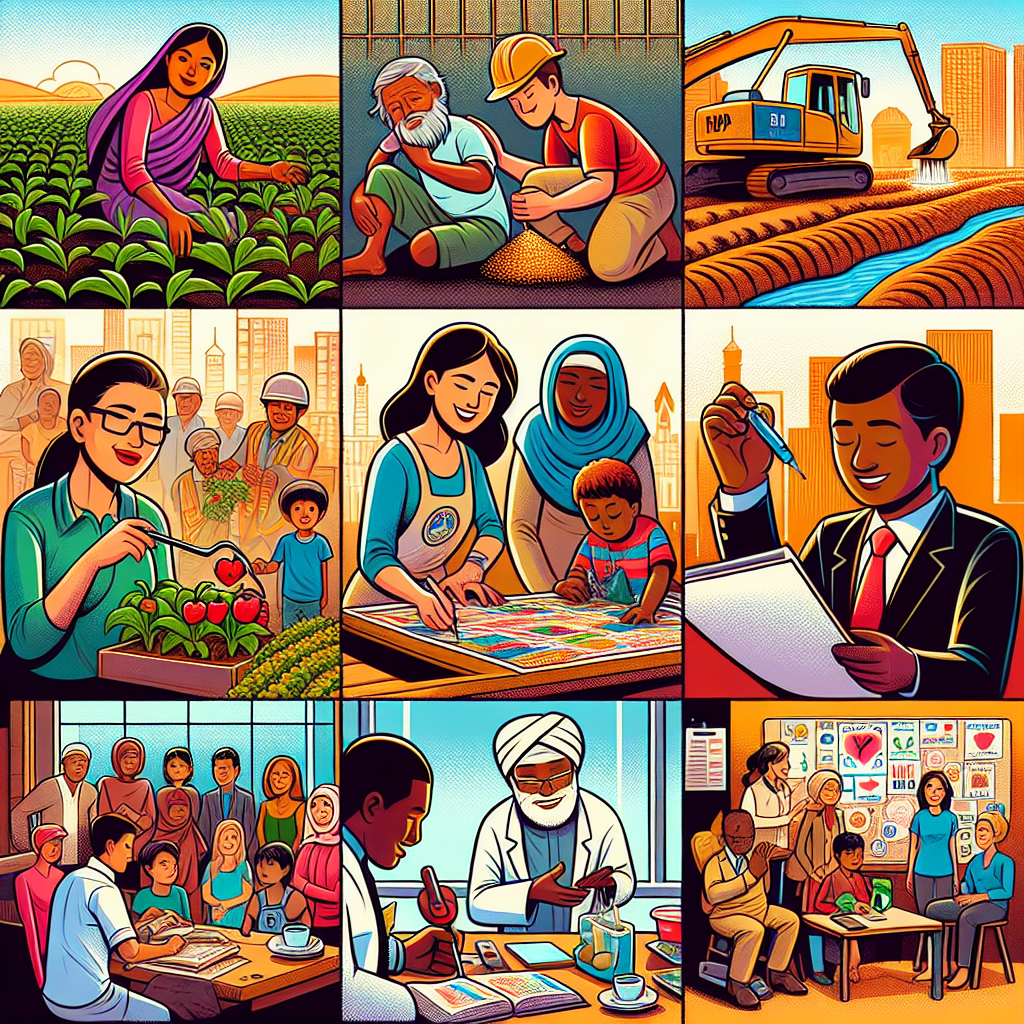
Blended finance, in particular, has shown immense potential. By strategically combining public, private, and philanthropic funds, blended finance aims to attract more private capital towards sustainable development goals. This approach can mobilize substantial resources, mitigate investment risk, and drive sustainable development on a larger scale.
While the potential of development financing is vast, it’s important to remember that effective management and transparency are vital for success. Rigorous project monitoring, thorough impact assessment, and clear communication with stakeholders are crucial to ensure that funds are utilized efficiently and deliver maximum social impact.
In a nutshell, development financing is a powerful tool that can shape the future of global economies. By leveraging a blend of public, private, and international funds, development financing can drive sustainable growth, address societal challenges, and improve the quality of life for communities worldwide. The future of development financing looks promising, with innovative financing mechanisms and an increased focus on sustainability heralding a new era of economic progress and social advancement.